
What’s Missing from Your First Aid Kit? Commonly Overlooked Essentials
Most workplaces have a first aid kit somewhere on the premises. But when was the last […]
Most workplaces have a first aid kit somewhere on the premises. But when was the last time someone actually checked what was inside it?
It’s easy to assume that having a first aid kit means you’re prepared. In reality, supplies get used, packaging becomes damaged and items reach their expiry dates. Without regular checks, even a well-stocked kit can gradually become less useful.
Whether you’re responsible for workplace first aid kits or managing equipment across several locations, a few simple checks can make a significant difference.
1. Dressings That Have Been Used but Never Replaced
One of the easiest things to overlook is stock that has already been used.
A dressing might be taken from the kit to treat a minor injury, but unless someone records its use, nobody may notice it’s missing until the next incident.
Establishing a simple replenishment process helps prevent this. Encourage staff to report when supplies are used and assign responsibility for checking and replacing them.
Keeping replacement bandages, dressings and other medical supplies readily available can also make restocking much easier.

2. Items That Have Passed Their Expiry Dates
Some first aid supplies have expiry dates, particularly sterile dressings and other products where sterility or performance must be maintained.
Checking these dates should form part of your regular workplace safety routine.
Rather than waiting until several items expire, keeping a record of upcoming expiry dates can help make restocking more manageable.
3. Supplies That Don’t Reflect Your Workplace Risks
Not every workplace faces the same hazards.
An office environment has different first aid considerations from a manufacturing facility, construction site or warehouse.
Your first aid kit contents should reflect the findings of your workplace first aid needs assessment, rather than simply relying on a generic selection of supplies.
If working practices, staffing or workplace risks change, your first aid arrangements may need reviewing too.
For workplaces requiring additional equipment, exploring different first aid kits and specialist kits can help identify options suited to specific environments.
4. Damaged or Poorly Stored Equipment
First aid supplies need suitable storage.
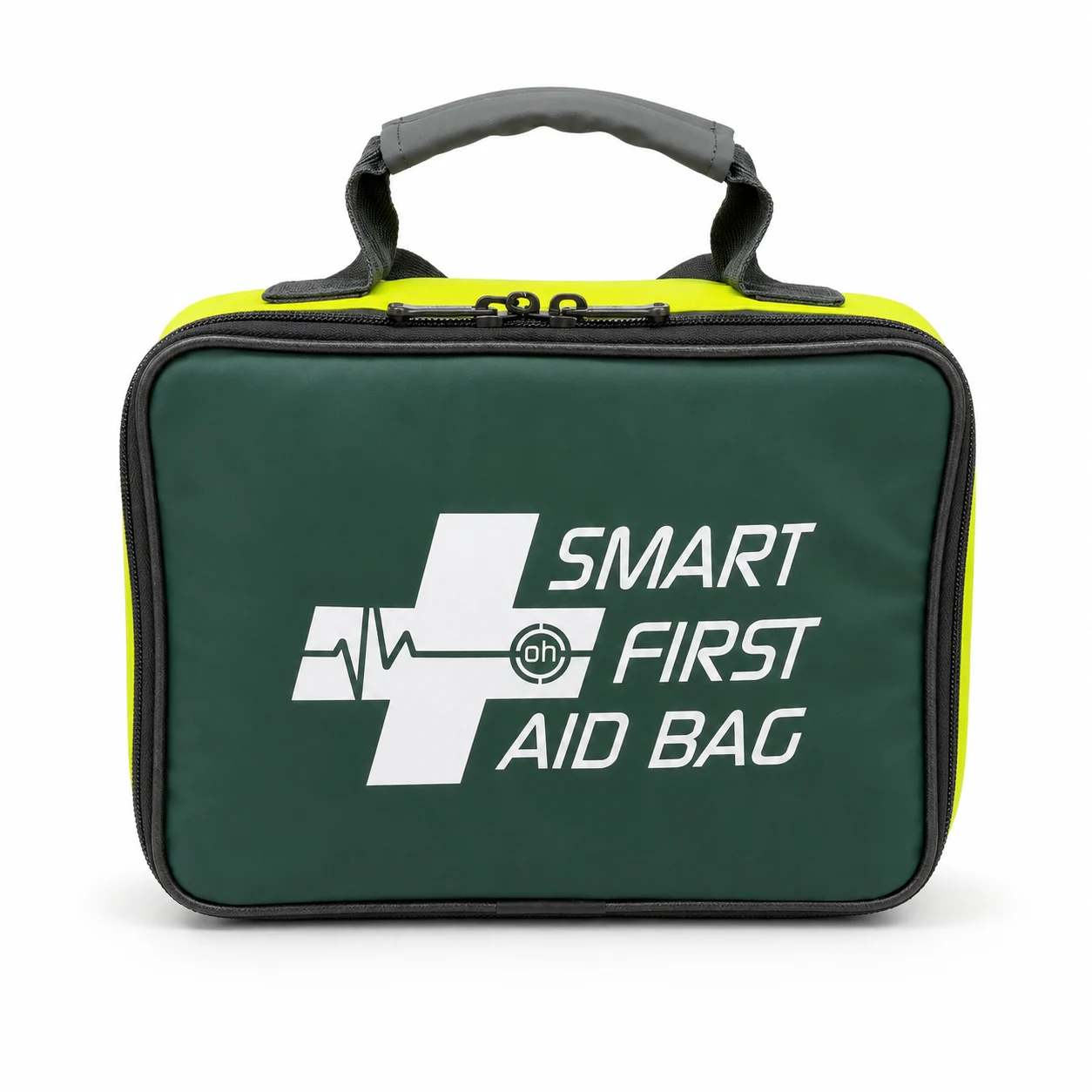
A first aid kit bag that is regularly transported, stored in a vehicle or used outdoors may experience more wear than one kept in a fixed workplace location.
Check that packaging remains intact, contents are protected and the bag or container is in good condition.
Equipment should also be stored according to the manufacturer’s instructions, particularly where temperature or moisture could affect its suitability.
5. A Clear Restocking Responsibility
Even the best-equipped kit can become neglected if nobody knows who’s responsible for it.
Designating someone to oversee first aid supplies creates accountability and makes regular checks easier to manage.
For organisations with multiple sites or mobile teams, a consistent checking procedure can help maintain standards across different locations.
Keep Your First Aid Supplies Ready
Maintaining a first aid kit doesn’t have to be complicated. Regular checks, clear responsibilities and timely replenishment can help ensure essential supplies remain available.
Openhouse Products supplies a wide range of medical equipment and consumables, alongside first aid kits and practical storage solutions for professional environments.
Whether you’re replacing everyday essentials or reviewing your existing first aid provision, having access to the right supplies can help keep your workplace prepared.